Screening Unit 731: Biological Warfare and Postwar Japanese Memory

Ivo Plšek
July 23 (Thu), 2026 / 18:00-19:30
Room 301, 3F, building 10, Sophia University
In person only / No registration required
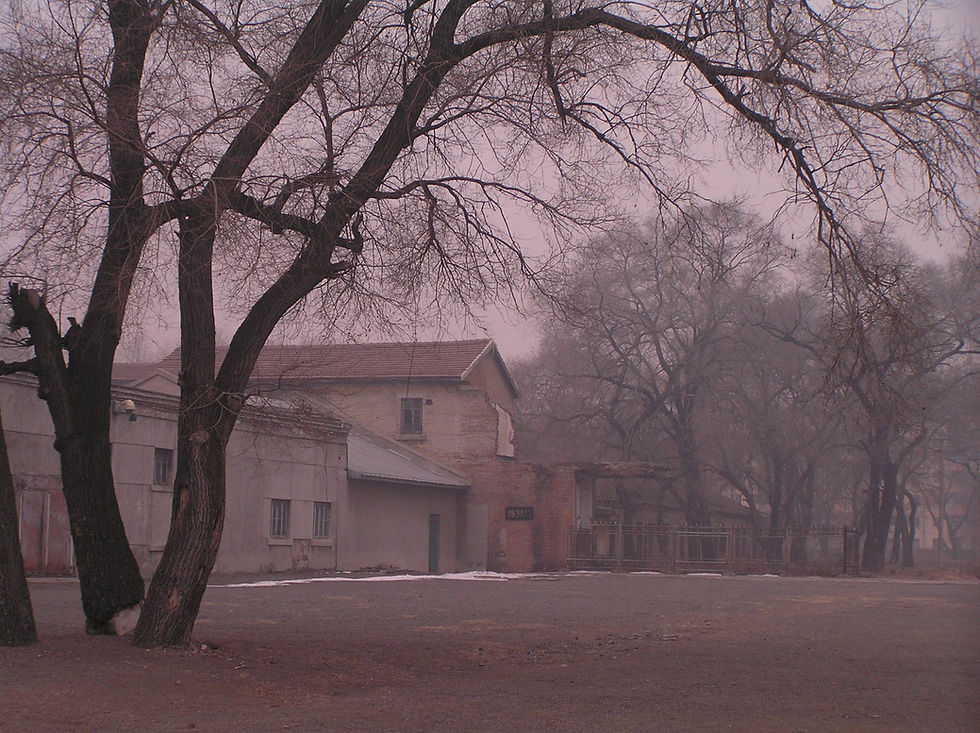
How has Unit 731 been portrayed on Japanese screens since 1945? Drawing on a corpus of 300 war-related screen works, this talk identifies 17 feature films, television dramas, and documentaries that have engaged directly or indirectly with the history of Japanese biological warfare and hum
an experimentation. It traces these representations from 1952 to 2025, examining how they approached the subject and how those approaches changed across genres and historical periods. Combining a broad overview with close readings of key works, the presentation explores how Unit 731 has been confronted and marginalized within Japanese screen culture and postwar memory.
Ivo Plšek is a researcher at the Uppsala Centre for Holocaust and Genocide Studies, Uppsala University. He specializes in modern Japan, memory politics, and the legacies of World War II. He is currently a STINT/MIRAI Fellow at Sophia University, where he is developing his book project, Remembering World War II: Japan on Screen, which explores how Japan’s wartime past has been represented and remembered in postwar film and television.

This talk is organized by Sven Saaler (Professor, Sophia University).